Marine Art
The sea, seen through
an artist’s eyes.
A journey through
the history of
marine painting.
to light on water.
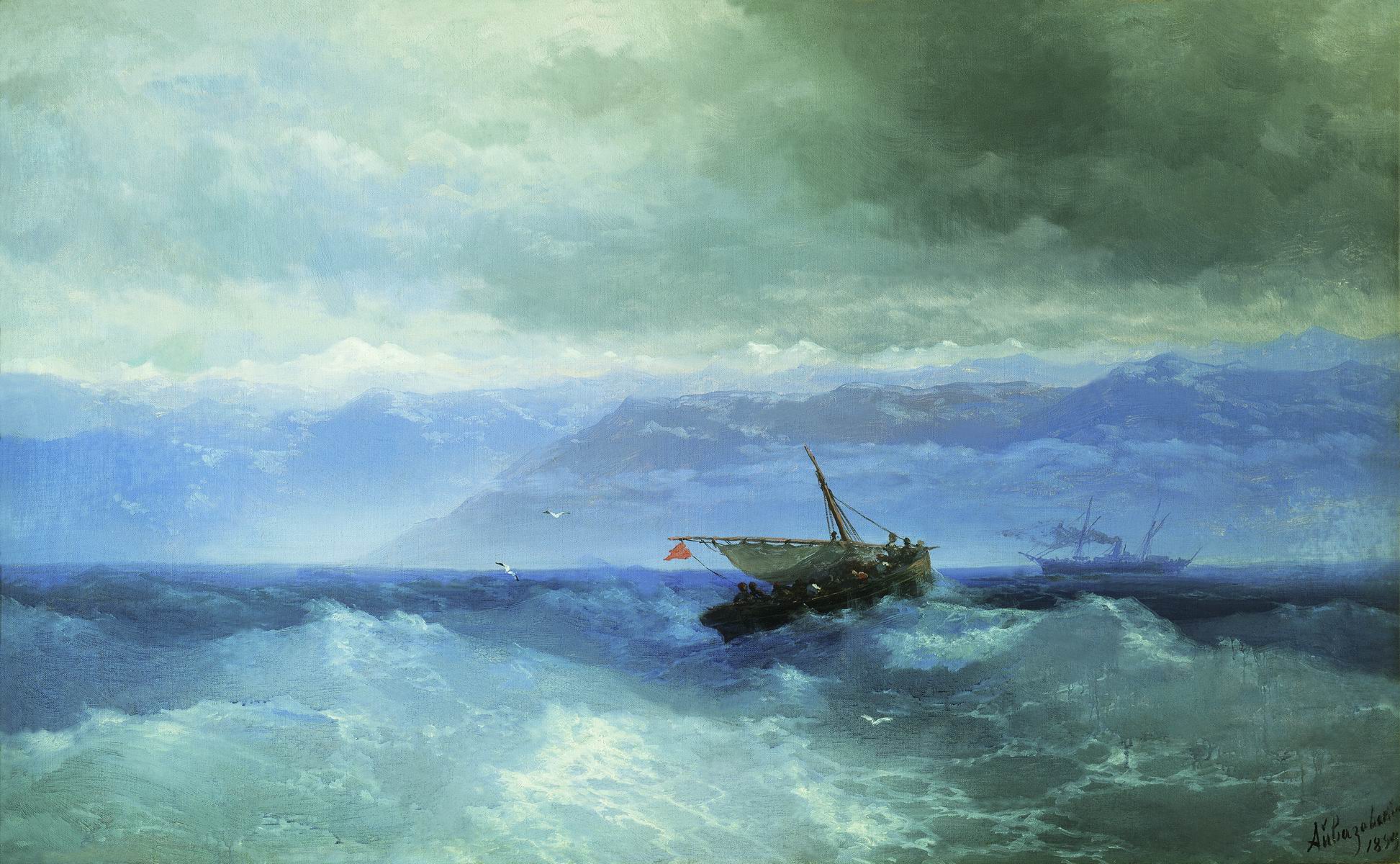
Marine art shows
more than ships.
Marine art
The sea, sky and coast.
Ships and people are optional.
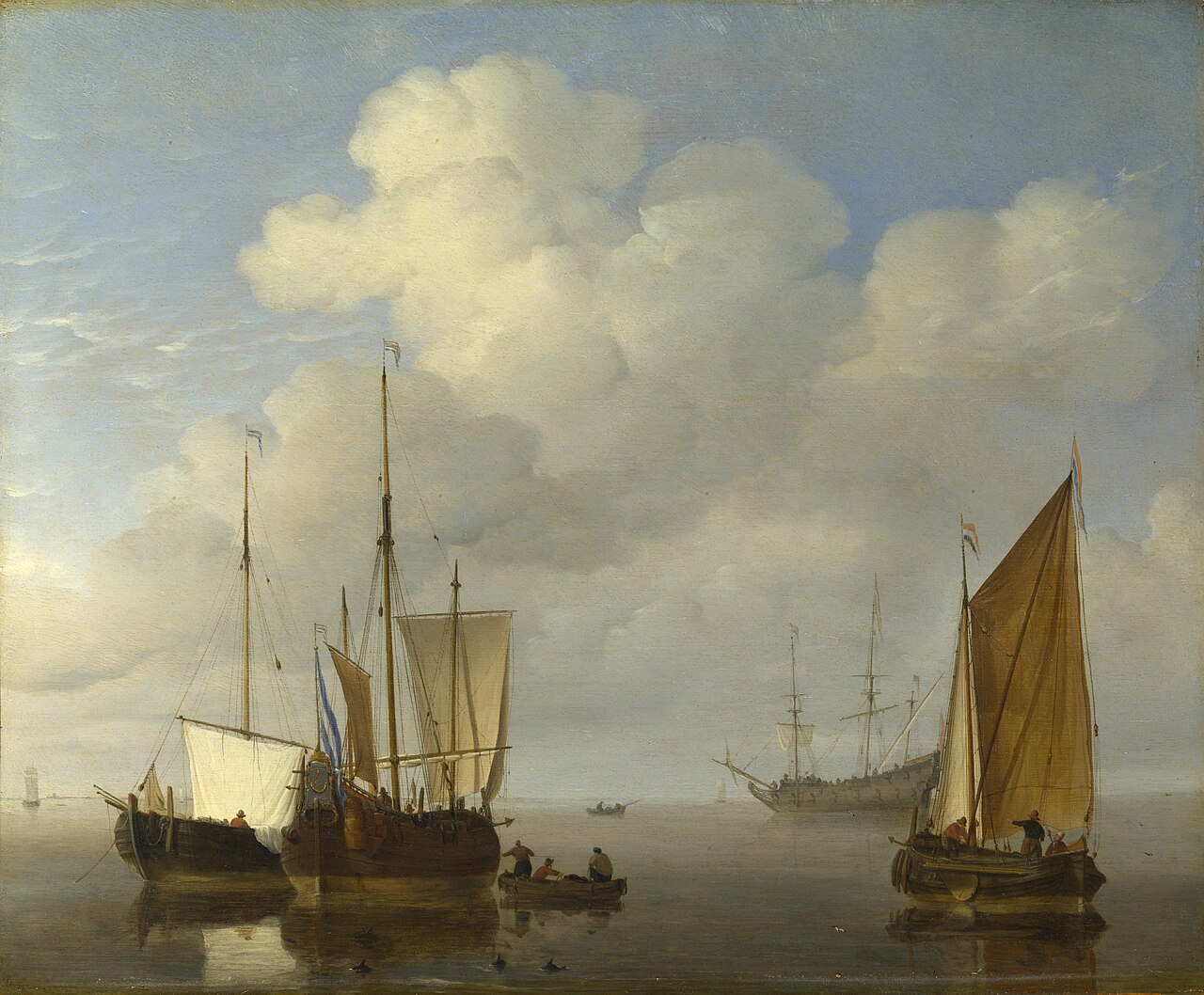
Maritime art
Often used for art connected
to human life at sea.
Sea imagery has
ancient roots.
c. 3200 BC
Boats on Egyptian pottery.
For centuries
Water as a setting for
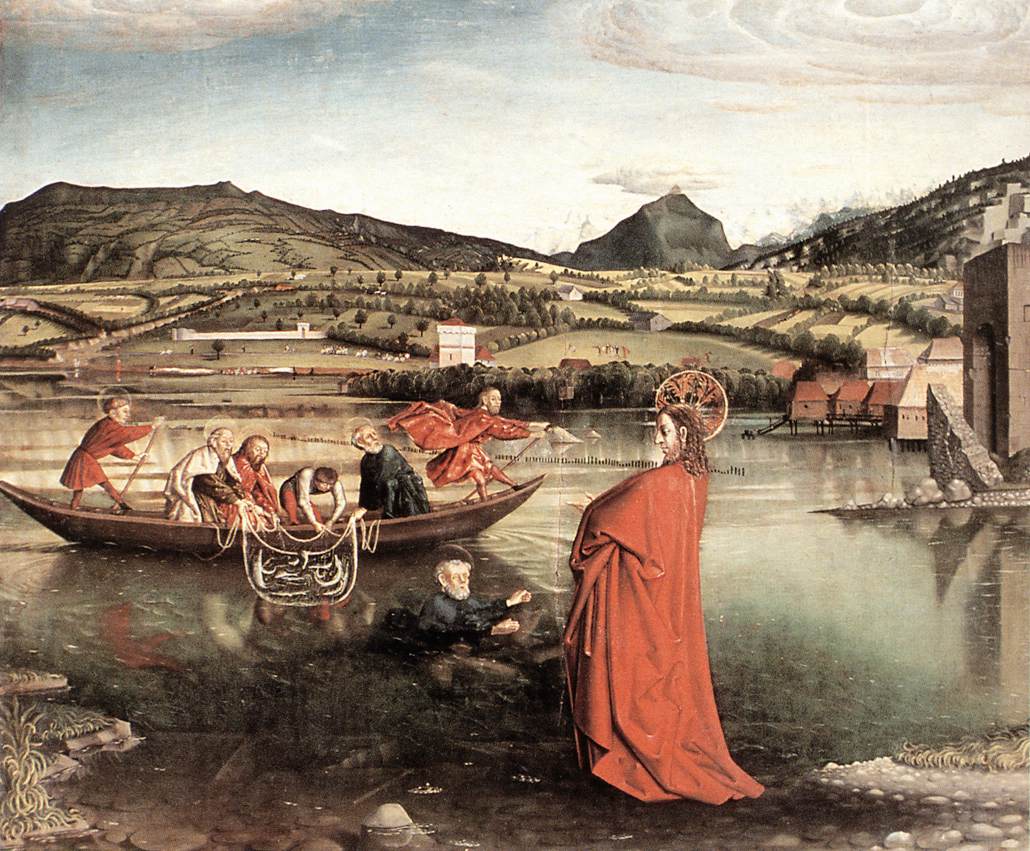
religious and historical scenes.1444
Konrad Witz depicts
the real Lake Geneva.
Dutch artists made marine
painting a genre.
17th-century Holland
Ships and trade inspire a genre.
Vroom & Van de Velde
Pioneering scenes; precise ships.
Bakhuizen
Storms and restless water.
Van de Cappelle
Calm seas and quiet harbors.
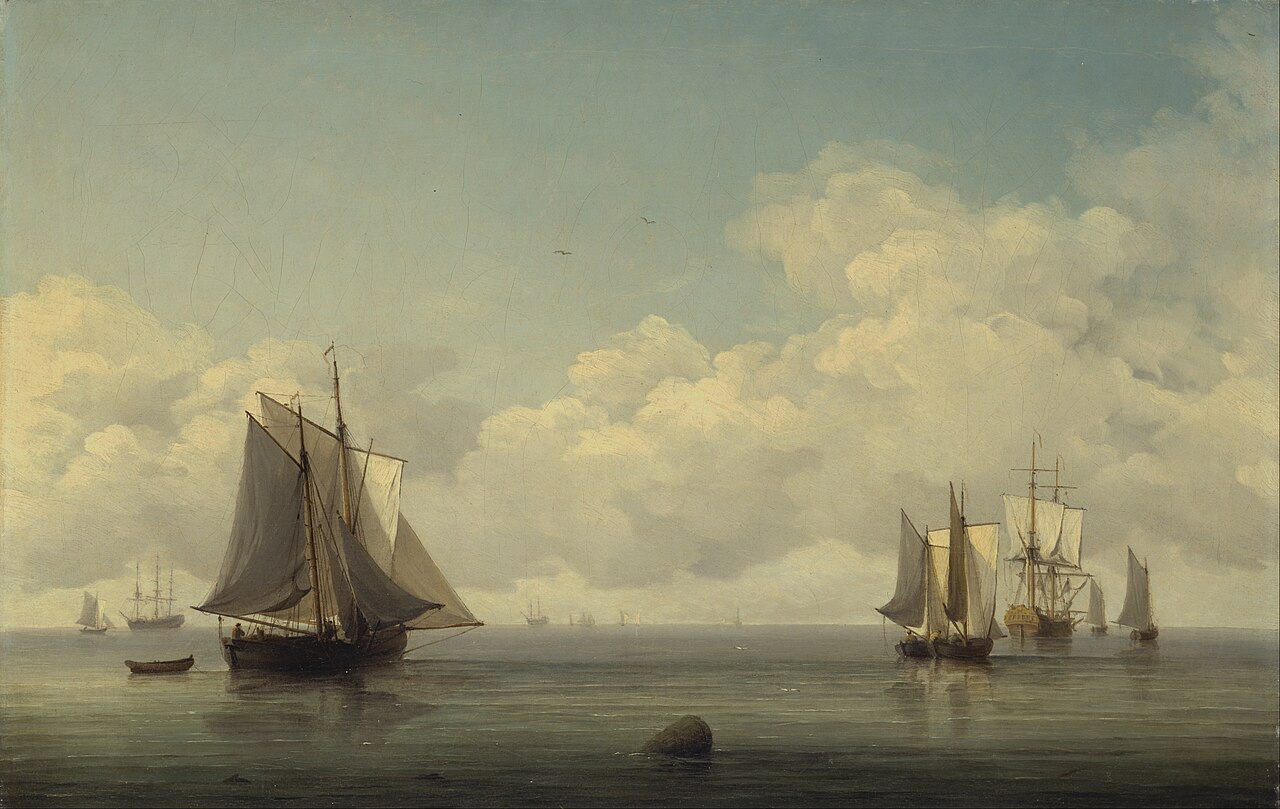
British marine art followed
Dutch traditions.
Dutch influence
British painting grows
in the 18th century.
Charles Brooking
Ships, storms and
careful observation.
The Hull school
Ward and Settle paint
fishing and whaling.
Romantic painters turned
the sea into emotion.
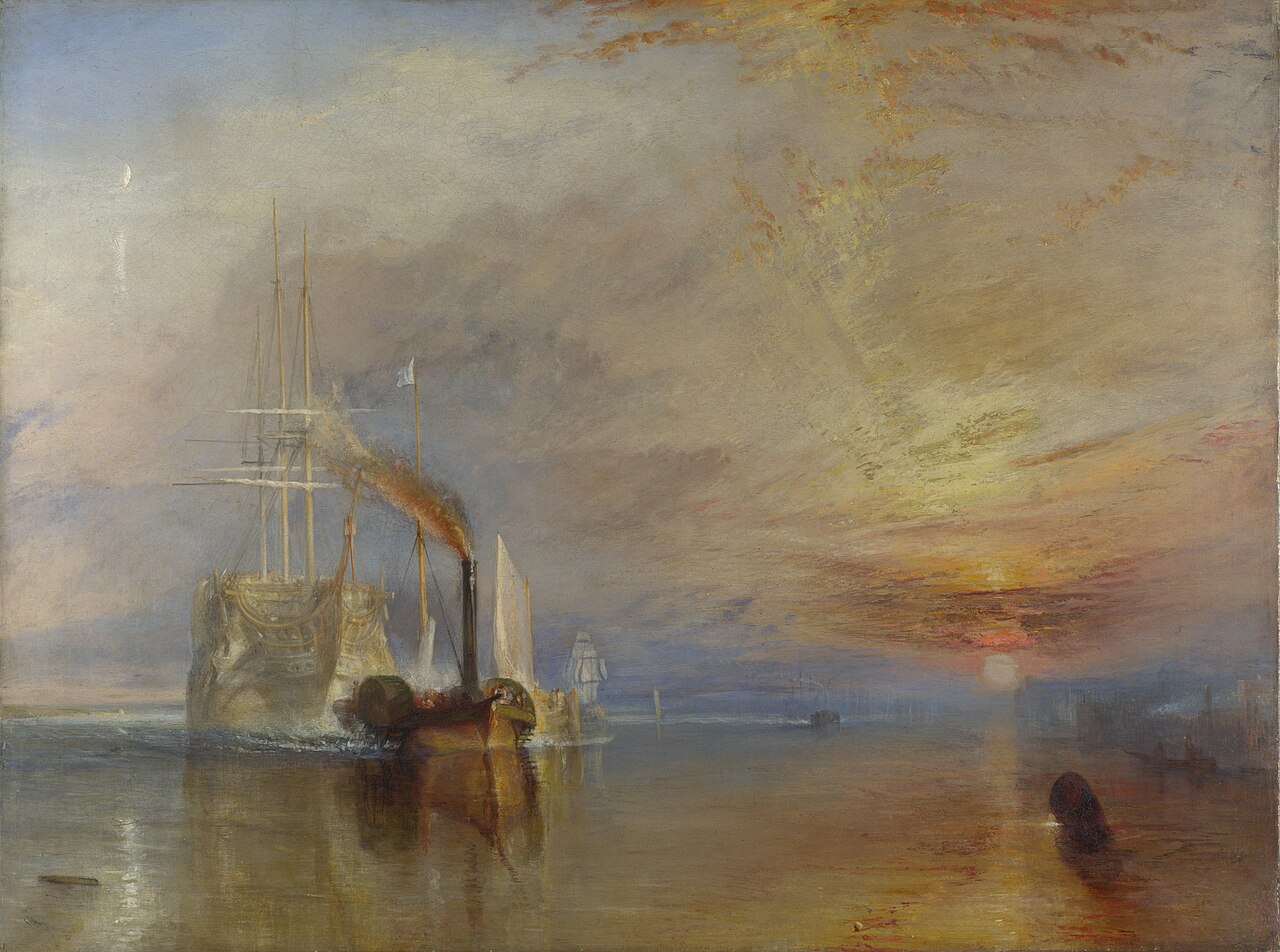
J. M. W. Turner
Light and atmosphere
transform the scene.
Ivan Aivazovsky
Powerful waves express
nature’s drama.
Sailors created
their own art.
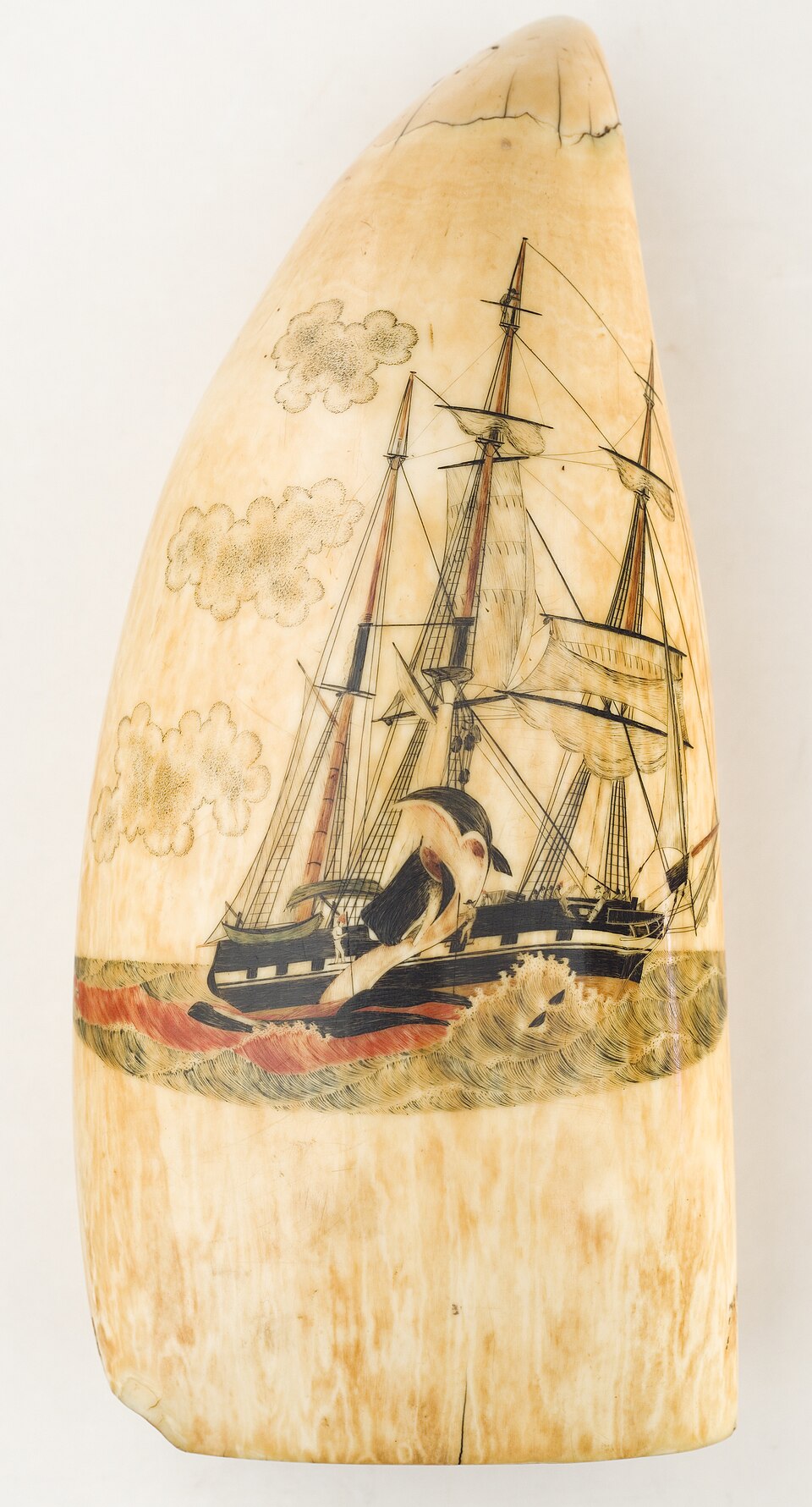
Scrimshaw
American whalers carved images
on whale teeth and bones.
Early 1800s
Knives and needles became
tools for making art.
Life at sea, memories of home
Ships, whaling scenes and
personal stories.
Composition and light
create movement.
Direction
Diagonals suggest movement.
Space
A low horizon opens the sky.
Light & depth
Warm and cool colors contrast.
Distant forms grow lighter.
Marine art combines
observation and imagination.
Observe
Study water, weather and light.
Experiment
Watercolor, oils and alla prima
capture different effects.
Imagine
Turn a changing sea
into a lasting image.